

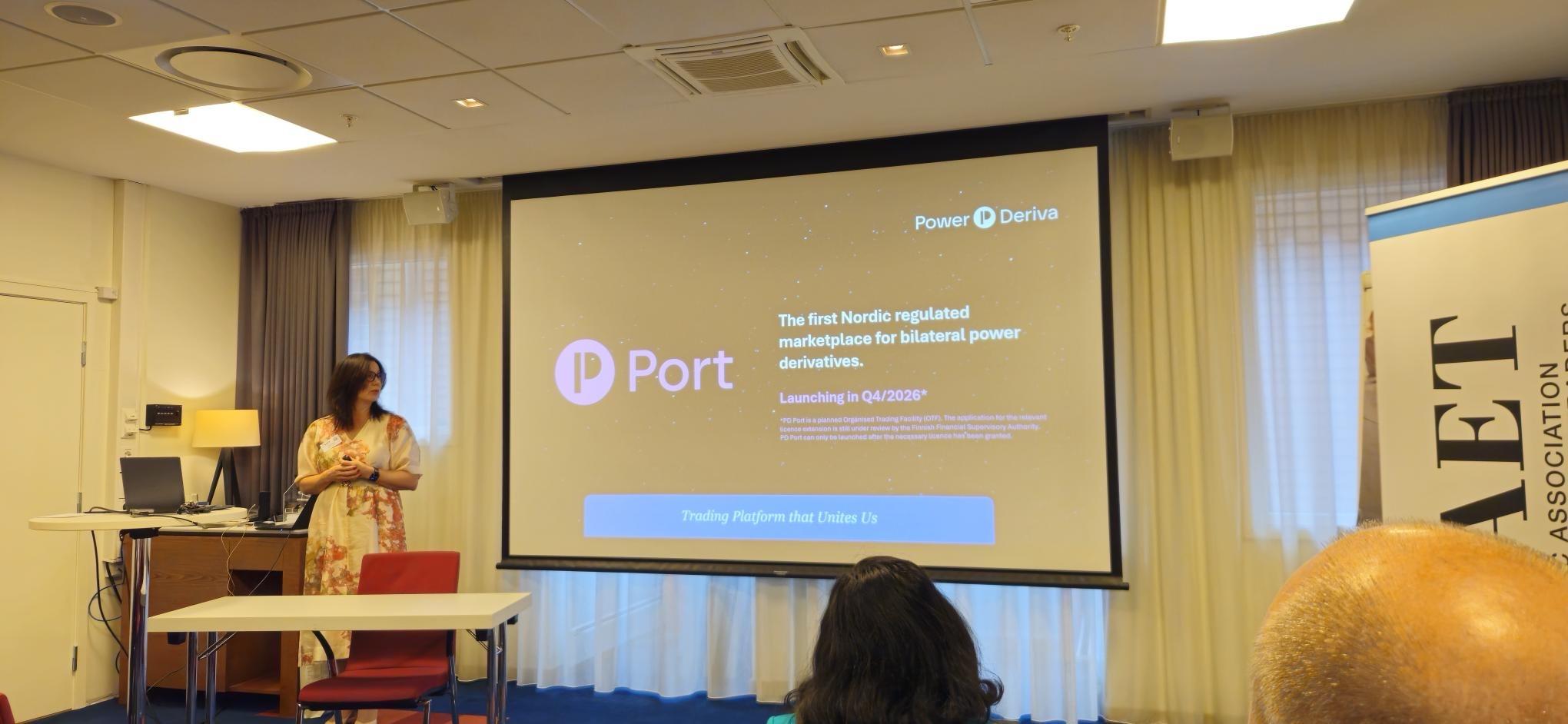
The title of Paaso’s presentation, Nordic Power Derivatives at a Crossroads, captures the key developments: data centres are driving electricity consumption, flexibility and storage solutions for renewable energy are transforming the market, and the need for price hedging continues to grow. Declining and fragmented liquidity in exchange-traded power derivatives, the limited number of clearing houses, and increasing collateral requirements and costs have contributed to the growing popularity of bilateral power derivatives trading.
In recent years, the volume of bilateral power derivatives trading in the Nordic market has nearly doubled, while exchange-traded volumes have declined by about one-third. According to Paaso’s estimate, around 300 TWh of bilateral power derivatives are traded annually in the Nordic market, accounting for at least one-third of the region’s total power derivatives trading.
“One of the main challenges, particularly for smaller market participants, is that most bilateral power derivatives trading remains invisible. Bilateral trades are reported to regulators, but very little public information on their prices and volumes is currently available to market participants. Finding the right price level and trading counterparty is often costly and difficult,” Paaso explains.
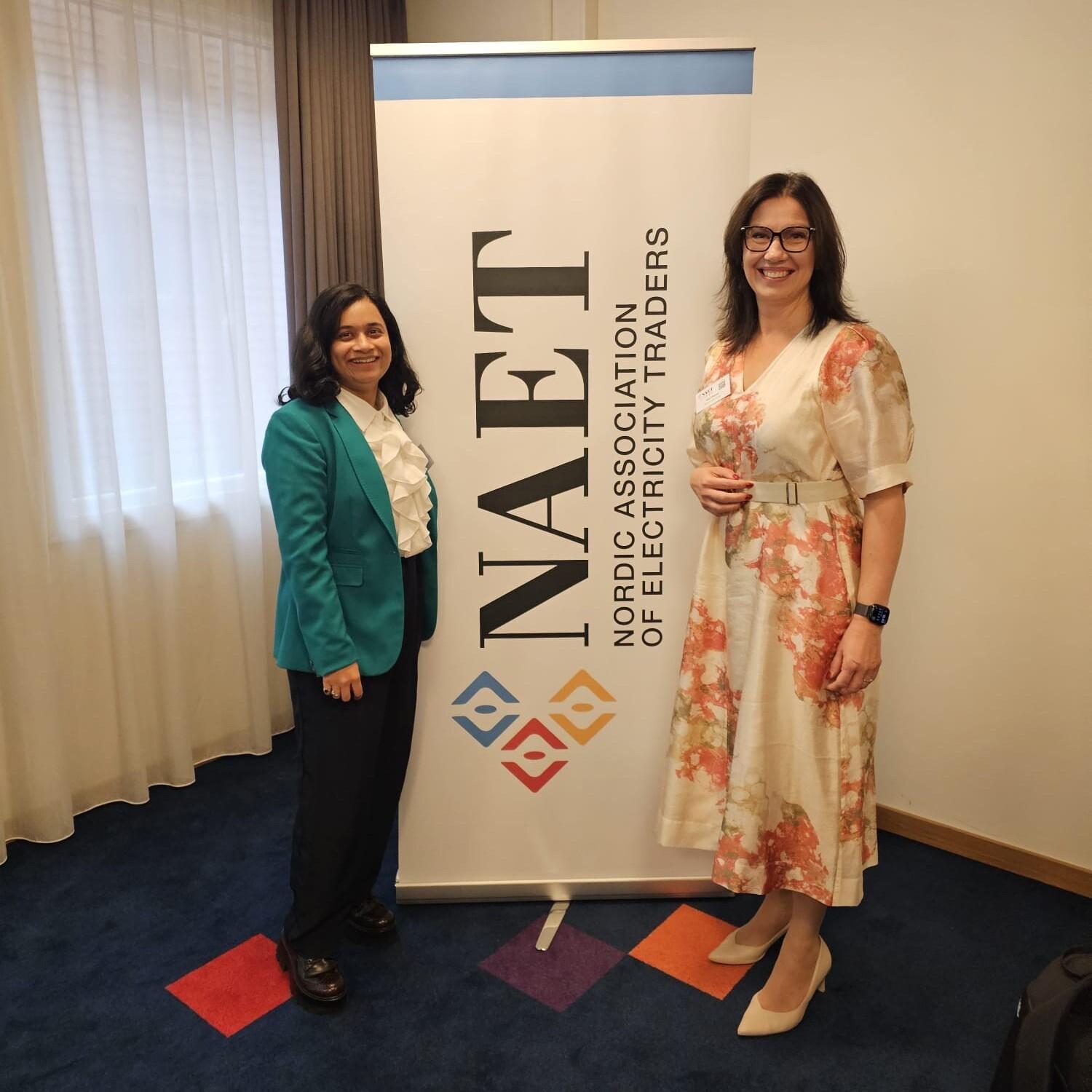
How PD Port Complements the Power Market
PD Port, a marketplace for bilateral power derivatives scheduled to launch in late 2026*, is set to change this. The platform brings electricity buy and sell offers together in one place, making it easier to compare prices, find counterparties and identify trading opportunities. Price and volume data from completed trades will provide an up-to-date price reference for the market.
“PD Port has been designed to meet the needs of the Nordic and Baltic markets. Its product offering includes system price, electricity price area, and Electricity Price Area Differential (EPAD) products. The platform also provides a draft framework agreement. Power-Deriva’s experts offer users ongoing support as a neutral market participant,” Paaso notes.
PD Port enables bilateral power derivatives trading with volumes starting from just 0.1 MW. This flexibility is a significant advantage, particularly for market participants whose hedging needs do not align with the typical volumes of exchange trading.
“For example, an electricity retailer serving approximately 5,000 customers can hedge its exposure in line with its actual needs. Smaller trading volumes allow for more flexible hedging and make it possible to spread risk across multiple counterparties,” Paaso illustrates.
Centralising trading also reduces manual work for buyers and sellers.
“The platform makes it easy for supply and demand to meet. Instead of requesting prices from several counterparties, market participants can view the market situation in one place and connect with potential trading partners with a click of a button,” Paaso says.
Transforming the Bilateral Power Derivatives Market Together
The future of the bilateral power derivatives market will be shaped by the people who use PD Port. The platform’s liquidity will increase as more participants join. The more users, the greater the benefits the platform can offer. Both buyers and sellers are welcome, from large companies to smaller market participants.
“Getting started is easy. You can choose the trading tier that best suits your business, and membership can be terminated with just one month’s notice, without any long-term commitment,” Paaso assures.
Letters of intent have been signed, and preparations are underway. Now is the right time to get involved.
PD Port
- Enables transparent and competitive bilateral trading in power derivatives.
- Enables market participants to obtain market-priced bilateral hedging from a wider range of trading counterparties.
- Improves transparency of prices and terms while facilitating counterparty risk management.
- Makes trading more efficient and price hedging more predictable, even in changing market conditions.
Want to know what PD Port could mean for your business? Get in touch:

Tatu Lipsanen
Portfolio Manager
+358 50 553 6664
firstname.lastname@power-deriva.com
*Please note: PD Port is being developed as an Organised Trading Facility (OTF). Its licence application is still under review by the Finnish Financial Supervisory Authority. PD Port can only be launched once the necessary authorisation has been granted, and there is currently no confirmed date for the grant of the licence.